
Planning how to seat your guests at your big day doesn't have to be stressful. Here's seven useful tips to help seat your guests with confidence.
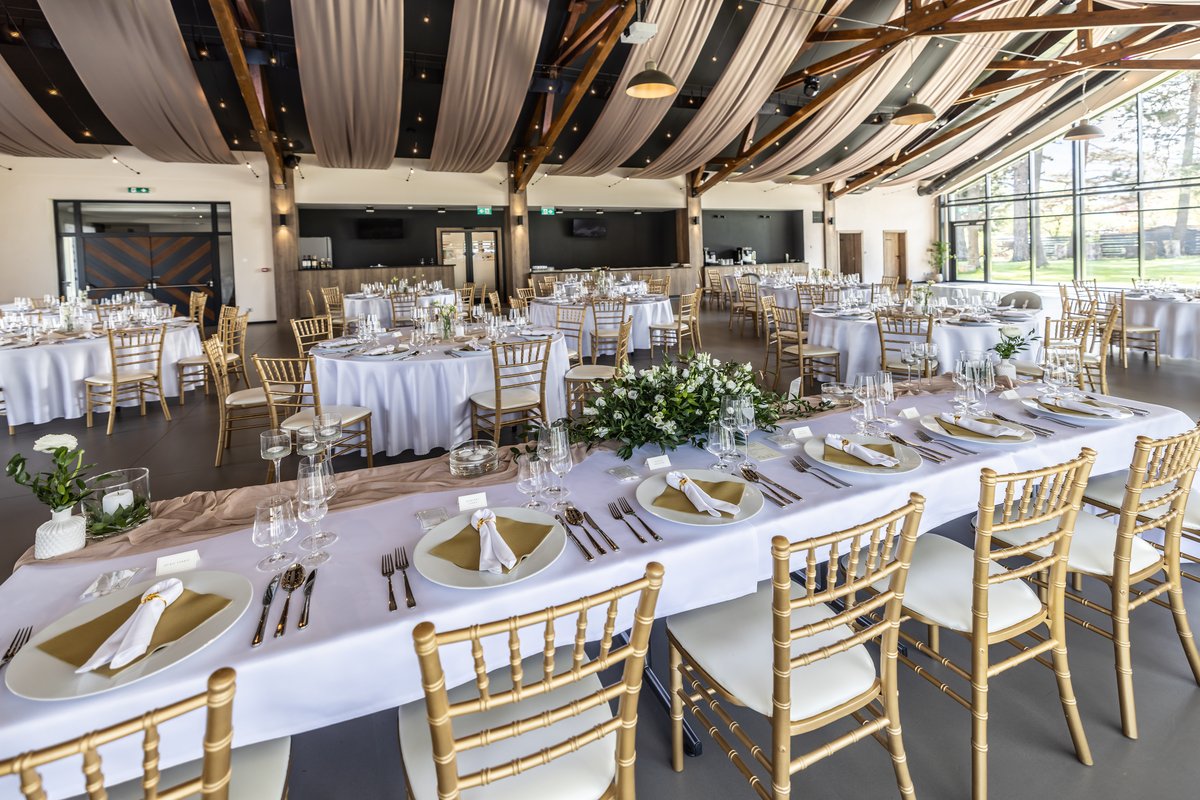
The seating chart is one of those many wedding details that might feel too much at times – whom do you seat next to whom? How do you decide on the grouping? Do I really want Uncle Bob sharing his latest theories with Fiona? So many questions. With the right tools and some thought, you can create a plan that keeps everyone happy and everything running smoothly.
1. Start with the "must be together" groups
Before you even start thinking about individuals, think about the groups that need to sit together. Immediate family, work friends, the bridal party's partners. This serves as a good starting point.
2. Choose the right table shape
You may not have a choice in this, depending on what the venue provides. But round tables encourage conversation across the group, while long rectangular tables create a more formal, banquet-style feel. If your venue is narrow, rectangular tables make better use of the space. Many couples use a mix – a long head table for the bridal party and rounds for guests.
3. Identify known conflicts
If your family is like every other family, there's going to be some conflicts. Or maybe it's not a conflict but instead your niece is just a bit embarrassed by her dad and would rather sit with some people her own age. Whatever the reason, you should try and identify these key bits of information.
Want to turn this guide into a real seating chart in minutes?
Vesavo handles messy guest lists and builds smart table arrangements automatically. Free for up to 50 guests.
4. Think about conversations, not just relationships
Just because people know each other – especially family – doesn't mean that they're going to have good conversations. They already know each other! You could think about mixing it up a bit, maybe by grouping by a common interest or hobby. This isn't essential, but something to consider.
5. Make sure your caterer and venue is in the loop
Your caterer needs to know about the table assignments for plated meals and dietary requirements. Your venue needs to know the floor plan to help set up all the tables. If you have a PDF or print out of your floor plan well before the event, that will help your caterer and venue immensely.
6. A few seats to spare
Leaving a few empty seats may be handy to deal with last minute changes. Maybe your cousin can come to the event after all, where are you going to seat him? Just having a couple of spare seats gives you some flexibility in the event of RSVP changes.
7. Ditch the sticky notes
Sticky notes can be useful when brainstorming – and absolutely use them if they are. But eventually you'll want to switch to a digital tool to keep everything consistent and in one place. A tool like Vesavo lets you upload your guest list (in whatever format it comes), assign seats and export a professional floor plan as a PDF in minutes.
Skip the spreadsheet struggle
Upload your guest list in any format. Vesavo's AI organises names, detects groups, and seats guests at tables that actually make sense — in seconds.
Start Your Seating PlanFree for events up to 50 guests