
How to make a wedding seating chart while keeping guests comfortable, avoiding awkward grouping, without spending hours stressing the day before the wedding.
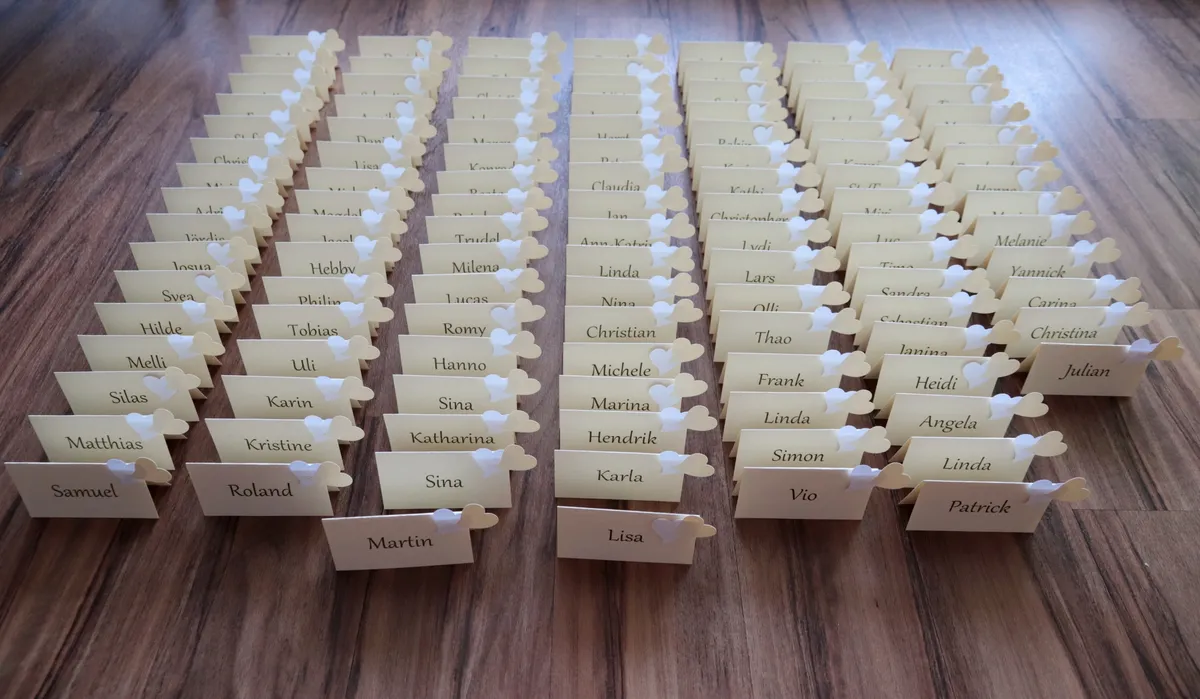
The seating chart often becomes urgent right when your patience is running low. RSVPs are still shifting – a few last-minute apologies for people who were coming. Family dynamics are getting complicated, and your best friend just asked if her new boyfriend can come along. If you’re working out how to make a wedding seating chart, the goal is not perfection, the goal is to place people thoughtfully, avoid the obvious awkwardness, and give your venue a clear plan they can actually use.
A seating chart does three main jobs: It helps guests feel comfortable, supports the flow of the room, and reduces confusion on the day. This all matters more than many couples think; seating affects conversation, table service of meals, speeches, visibility and how relaced people feel from the moment they walk into the reception.
Want to turn this guide into a real seating chart in minutes?
Vesavo handles messy guest lists and builds smart table arrangements automatically. Free for up to 50 guests.
How to make a wedding seating chart, without the spreadsheet chaos
The best time to start is once most RSVPs are in, but not when it’s too late. You don’t need to wait until every single detail is locked in. In fact, it’s often easier to build a good draft early, then having to only make small adjustments as responses change.
Start with a solid foundation - confirm your floor plan, expected guest count (near enough is good enough), table shapes and the table capacities at the venue. A room filled with round tables that can seat ten people each works differently from long banquet tables. A mixed layout changes visibility and conversation patterns. If you don’t know how many people fit comfortable at each table, now is the time to find out from your venue. The last thing you want ot do is overfill tables.
The next thing is to make sure your guest list is organised. This sounds basic but it’s where many seating problems begin. You want to have consistent names, plus-ones known, children identified and key relationships marked down. Parents, siblings, wedding party members, elderly relatives, work friends, uni friends, and family friends all become easier to place when your list is structured, not improvised.
Once your list is close to being finalised (allowing for a bit of space), divide guests into natural groupings. Think in circles, not individuals. Couples usually sit together. Immediate family often wants to be near the couple. School friends may enjoy each other more than they would enjoy sitting at a table of your distant relatives. Colleagues can work well together, but that depends on whether the wedding is formal.
Start with the anchor tables
Don’t begin by assigning every guest individually. Start with the tables that shape the room.
There’s some obvious ones: the bridal table, if you’re having one, is the first to think about. Then place parents, siblings, grandparents and any VIP guests around the couples table. If there are divorced parents, remarried parents, strained family relationship or cultural expectations about seating, you need to be making deliberate decisions right now. There’s not a perfect answer, but there’s plenty of solutions that work well – and many that don’t.
For example, divorced parents who are on good terms may be perfectly fine sitting near each other… if they’re not, forcing them to sit together because it looks good can cause more tension than it’s worth. The seating chart is for the real event, not the idealised version of the event.
You will also want to think about access and visibility as well. Older guests may want to be a quieter table away from the dance floor. Guests with limited mobility should be placed in areas that are easy to get to. If someone is giving a speech, try and make sure they don’t have to come up from the complete other side of the room to where speeches are taking place. Sometimes this isn’t always possible, but it’s a consideration.
Balance personalities, not just numbers
This is a part that people often underestimate. A wedding seating chart is not only a puzzle of how many people you can seat at each table – it’s a social layout.
A table of ten loud extroverts can be brilliant, or it can be exhausting. A table of ten quiet guests who do not know one another will fall flat. The strongest tables usually have some shared connection, one or two socially confident people, as well as enough common ground to get conversation moving.
You also want to avoid tensions wherever possible. Former partners, relatives in conflict, and friends who have fallen out do not need to be seated side by side, even if they’re on the same table (there’s always going to be that former couple in any friend group!). If there are complicated dynamics, give yourself permissions to design around them. You don’t owe an explanation to guests for the seating decisions, you just want to have them feel comfortable when they sit down.
However, you want to make sure you don’t overcorrect. You don’t need to build from people who already know each other. Weddings often work well when tables include a mix of familiar faces, and a few new connections. This is especially true when they share interests or are at the same stage of life. You’re aiming for social ease, not rigid segmentation.
A simple process that works
For a good process, build your chart in rounds.
First, place your non-negotiables. These are the guests whose seating depends on things like family roles, accessibility requirements, responsibilities or known sensitivities.
Second, fill in the obvious groups. Close friends, cousins, work teams and friendship circles often fall into place quickly once the anchor tables are in place.
Third, use the remaining seats to balance each table. This is where you look for uneven energy, age gaps that may or may not matter, and isolated guests who may benefit from a familiar face nearby.
Finally, leave a little flexibility. Last-minute changes are normal – someone cancels, a plus-one is added, or a guest who said yes changes their mind. A seating chart that is too tightly packed becomes fragile. If you can keep one or two seats flexible across the room, adjustments become much easier.
Should you use a digital seating planner?
For very small weddings, cards on a dining table can be enough. But once you are juggling multiple family groups, plus-ones, and a venue deadline, manually planning can become quite slow. This is where a digital seating planner earns its place.
The main benefit is not just convenience. It is visibility. You can see table capacities, move guests quickly, and test alternate layouts. This allows you to produce a polished chart without rebuilding the whole thing each time someone changes their RSVP. If you are importing guest data from a spreadsheet, a good platform also saves you from reformatting everything by hand.
For the more complex weddings out there, smart automation is especially useful. If a tool can keep couples together, preserve family groupings, factor in guest preferences, and still lets you override where needed. You save hours without losing control. Vesavo is built for exactly this kind of planning – every seat, perfectly placed, without the spreadsheet chaos.
Skip the spreadsheet struggle
Upload your guest list in any format. Vesavo's AI organises names, detects groups, and seats guests at tables that actually make sense — in seconds.
Start Your Seating PlanFree for events up to 50 guests
Common mistakes when making a wedding seating chart
A large number of seating issues are predicatble. The first issue is waiting too long – if you leave the chart until the week of the wedding, even small changes feel dramatic.
The second is focusing only on who likes whom. That matters, but logistics matters too. Guests need clear table assignments, good access, and a room layout that works for service and sightlines.
The third is treating every table equally. Some tables matter more because of family expectations, visibility or event flow. Prioritise those first.
Another mistake many couples make is making the chart too complicated for the venue team. Fancy ideas can look great on screen, but if your final plan is unclear, or has inconsistent names, or tables are labelled poorly, setup becomes harder than it needs to be. Keep table names, guest names, and exports clean and obvious.
How to handle last-minute seating changes
You should assume this will happen – they usually do. The key is to make updates without causing too much chaos to the rest of your chart.
If a guest drops out, resist the urge to redesign the entire room. First check whether the table still works socially – one missing seat isn’t the worst situation.
If a guest is added, start by identifying which table already has a natural connection. That is almost always better than squeezing them into the nearest available seat. If no perfect fit exists, choose the table with the strongest mix of flexibility and social cohesion.
This is another reason digital planning beats static documents. Quick edits, updated place cards, and revised table plans are much easier when the seating chart lives in a system designed to handle changes.
Tip: Vesavo can do this for you automatically — just upload your list and let the AI handle groupings, plus-ones, and table balance.
How to know your wedding seating chart is done
It’s done when the room works – the major sensitives are handled, and the venue has a clear version they can execute. It doesn’t need to satisfy every option; it just needs to support a smooth and comfortable reception.
Before you finalise it, do one last check. Confirm spelling, table numbers, plus-ones, children, dietary requirements and mobility needs. Then look at the room as a whole – are key guests placed appropriately? Are there any obvious conflict points? Does every table feel good?
That final review matters. A seating chart is really a guest experience tool. When it is handled well, nobody notices the work behind it. They simply walk in, find their seat, and settle into the celebration. That is the result you are aiming for – calm, clear and confident from the first table to the last.