
A guest cancels an hour before doors open. A couple who RSVP'd no suddenly arrive with a plus-one. A sponsor asks to move closer to the stage. This is exactly when people start searching for how to manage last minute guest seating changes - not because the plan was poor, but because live events rarely stay still.
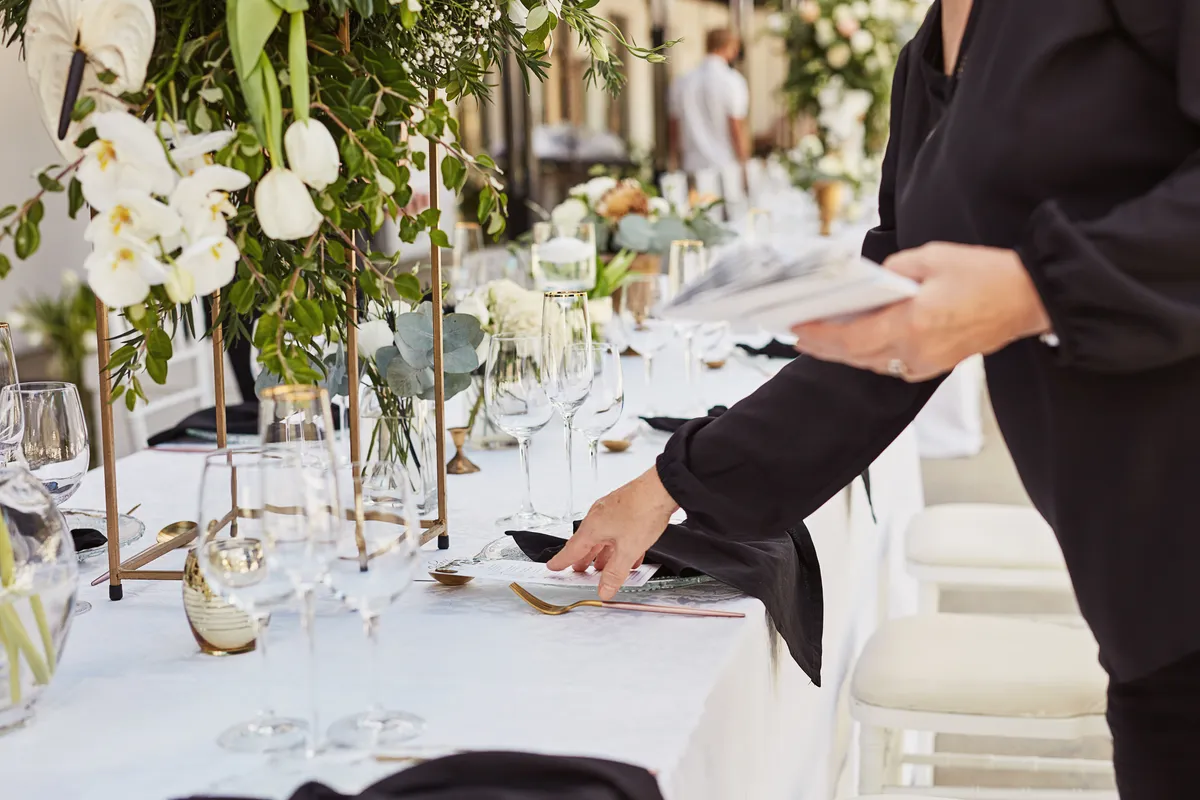
The difference between a stressful reshuffle and a controlled adjustment is having a process. When seating changes happen late, you do not need to rebuild the room from scratch. You need to protect the event's priorities, make fast decisions, and keep everyone working from the same version.
How to manage last minute guest seating changes without chaos
The first rule is simple: treat late seating edits as controlled exceptions, not a full redesign. Most event hosts lose time because they react emotionally to every change. A better approach is to lock the overall floor plan, identify which tables have flexibility, and make only the smallest moves needed.
Start by confirming what has actually changed. There is a big difference between a no-show, a dietary swap, a VIP move, and an added guest who needs a physical chair. One affects names on paper. Another affects capacity, catering and service flow. Before you move anyone, define the real issue in one sentence.
Next, work in order of impact. Safety and capacity come first. Then accessibility, VIP requirements, family or relationship dynamics, and finally preference-based requests. If a guest simply wants to sit nearer friends, that matters less than ensuring the venue still has a workable table count or that a wheelchair space remains clear.
This is where digital seating tools earn their keep. If your seating plan lives across printed lists, text messages and a half-updated spreadsheet, every change creates risk. If it lives in one editable plan, you can test options quickly and issue an updated chart without the spreadsheet chaos.
Protect the non-negotiables first
Every event has a seating backbone. At a wedding, that may be immediate family, the bridal party and older relatives who need easy access. At a gala, it may be sponsors, board members and high-value donors. At a corporate dinner, it may be executives, hosts and client tables. When changes come in late, protect that backbone first.
That means deciding what should not move unless absolutely necessary. For most events, these fixed points include VIP tables, accessibility placements, young children with parents, and any table assignments tied to protocol or sponsorship value. Once those are locked, your available moves become much clearer.
This is also the moment to review table balance. An empty seat at a table of ten is usually easier to absorb than moving three guests across the room. A last-minute addition can often be solved by placing them at a table that already fits their group, even if it is not their ideal seat. Perfect is not the target here. Stable and appropriate is.
Want to turn this guide into a real seating chart in minutes?
Vesavo handles messy guest lists and builds smart table arrangements automatically. Free for up to 50 guests.
Build a quick decision framework
When the room is filling up, speed matters. But speed without structure creates errors. A simple framework helps you decide fast and explain the logic to staff, clients or family members.
Ask four questions in sequence. Is there a seat physically available? Does the move affect service, such as meals, table numbers or access paths? Does it create a social or political issue, such as separating a couple or moving a sponsor away from key guests? Can the change be made without causing a chain reaction across multiple tables?
If the answer to the first two questions is yes and the last two are manageable, make the change. If not, look for a smaller adjustment. Often the smartest move is not relocating the requested guest to the exact table they want, but placing them one table over with the right social fit and no downstream disruption.
This is why experienced planners keep a few flexible seats in reserve when they can. Not every event has that luxury, especially with tight venue capacities, but even one partially open table can absorb far more stress than a room planned to the last chair.
Which guests can move most easily?
Not all guests should be treated equally in a last-minute reshuffle. The easiest people to move are those with broad social ties, no accessibility requirements, and no formal hosting role. Friends from the same group, work colleagues from the same department, or younger guests with low seating sensitivity are usually more adaptable.
The hardest people to move are those connected to protocol, family tensions, donor strategy or service needs. If shifting one person means moving their partner, changing meal counts, and upsetting two hosts, it is too expensive a move for a late-stage problem.
Keep communication tight and centralised
Many seating issues become bigger because different people act on different information. The venue captain has one list. The couple's sibling has another. The planner gets a text. Someone handwrites a place card change. Ten minutes later, nobody knows which version is correct.
Use one source of truth. One seating chart, one update owner, one approval path. Even if your event team is small, decide who can request a change and who can approve it. That alone cuts out most preventable confusion.
Then communicate only what people need. Front-of-house staff need table-level updates. Catering may need meal-related changes. The MC usually does not need to know that Table 8 swapped two guests. Over-sharing wastes time when the priority is accurate execution.
If printed materials are already produced, do not panic. You may not need to reprint everything. A revised master chart at reception, updated digital access for staff, and a short list of exceptions can be enough. It depends on the event format, the scale of the change and how guests are being directed to seats.
::cta-inline
Use technology to reduce the ripple effect
Late changes are hard when seating is built manually because every move has consequences hidden in separate tabs, notes and colour codes. A dedicated seating planner lets you see those consequences immediately.
Instead of dragging names around a static spreadsheet, you can view tables visually, filter guest groups, check relationships, and test alternatives before committing. That matters when you are balancing divorced parents, sponsor obligations, plus-ones and venue limits in the same room.
For planners managing complex events, this is less about convenience and more about control. A platform such as Vesavo can help you import guest data in the format you already have, apply seating logic quickly, and export updated charts and place cards without rebuilding the plan each time someone changes their mind.
When to override automation
Automation is valuable, but late-stage event decisions still need judgement. If the software suggests a mathematically tidy placement that ignores a sensitive family dynamic or donor relationship, override it. Good technology speeds up decisions. It does not replace context.
The best workflow is usually a hybrid one: let the system surface workable options, then apply human judgement where politics, etiquette or emotion are involved.
Plan for the three most common last-minute scenarios
The late cancellation is usually the easiest. In most cases, leave the seat empty unless the table becomes too sparse or the host specifically wants to rebalance it. Moving people just to fill a gap can create more disruption than value.
The surprise addition is trickier because it affects capacity. First confirm whether the venue can physically accommodate another chair at that table without compromising service. If not, look for the closest suitable table rather than forcing an overcrowded setting.
The requested move is the most delicate because it often comes with emotion. A guest may feel awkward, overlooked or frustrated. Handle it calmly, but do not promise a perfect fix. A polite, practical adjustment is usually enough. The goal is to solve the issue without creating three more.
::cta
What not to do when seating changes happen late
Do not start moving people based on verbal requests alone. Confirm the change with the event lead or designated decision-maker.
Do not let one influential guest pull the plan apart if their request is preference, not necessity. Some flexibility is good service. Too much flexibility weakens the entire room.
And do not assume a manual fix is harmless. A handwritten place card, an unmarked meal change or a quiet table swap can create service mistakes later in the night. If a change matters, record it properly.
A well-run event is not one where nothing changes. It is one where changes are absorbed without fuss, without confusion, and without guests noticing the work behind them. When your seating plan is built to flex, last-minute edits stop feeling like disasters and start feeling like what they usually are - part of the job.